

This spring, LIVE from NYPL is hosting an extraordinary lineup of distinguished writers, artists, and scholars including Heather Cox Richardson, Christian McBride, and Lyn Slater.
Register for free tickets now for the events below, and stay tuned throughout the spring as tickets become available for each event.
-
Stephen Kotkin: Six Futures of Russia—Why We Need History (and Libraries)
AttendWed, April 24 | 7 PM | Celeste Auditorium, Stephen A. Schwarzman Building & Online
-
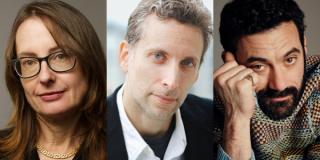
Emily Wilson: Reading The Iliad, featuring Ben Shenkman and Morgan Spector
AttendTues, April 30 | 7 PM | Bartos Forum, Stephen A. Schwarzman Building & Online
-
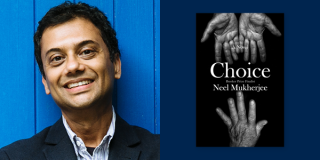
Neel Mukherjee with Hanya Yanagihara: Choice
AttendThurs, May 2 | 7 PM | Celeste Auditorium, Stephen A. Schwarzman Building & Online

-
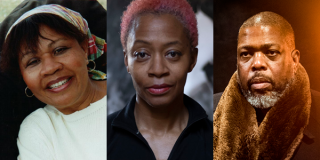
Jamaica Kincaid & Kara Walker with Hilton Als: An Encyclopedia of Gardening for Colored Children
AttendTues, May 7 | 7 PM | Bartos Forum, Stephen A. Schwarzman Building & Online
-
Transforming Shakespeare: Julián Mesri and Rebecca Martínez with Amrita Ramanan
AttendTues, May 14 | 7 PM | Celeste Auditorium, Stephen A.Schwarzman Building & Online

-
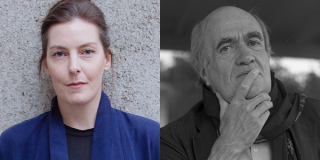
Colm Tóibín with Caoilinn Hughes: Long Island
AttendThurs, May 16 | 7 PM | Bartos Forum, Stephen A. Schwarzman Building & Online
-
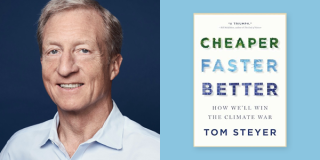
Tom Steyer with David Wallace-Wells: Winning the Climate War
AttendWed, May 22 | 7 PM | Bartos Forum, Stephen A. Schwarzman Building & Online
Library Talks
Check out Library Talks, a podcast from The New York Public Library featuring the best live conversations with your favorite writers and the ones you’ll love next.

-
Connect with Us
Get UpdatesBe the first to discover and register for new events when you sign up for our newsletter.
-
Shop the Library
Explore the ShopDiscover some of the titles and authors featured at LIVE from NYPL in the Library Shop—and explore thousands more items for book lovers of all ages!
-
Support the Library
Learn MoreThe New York Public Library depends on support from individuals like you to provide our essential services. Help us continue this work by donating today. Become a Friend of the Library and receive discounts and other benefits.
-
Get a Digital Library Card
Sign up for a library card for free online today! Access everything the Library has to offer, from assistive technology coaching in various languages to braille study groups, with your library card.
-
-

Accessibility Notes
- Transcripts will be provided.
- ASL interpretation is available upon request. Please submit your request at least two weeks in advance by emailing accessibility@nypl.org. A pre-filled Gmail template is available by clicking here.
- Any media will be accompanied by alt text to reference before the program or by audio description.
Event Information
- For event questions and inquiries, please contact publicprograms@nypl.org.
Press Inquiries
- Please send all press inquiries (photo, video, interviews, audio-recording, etc.) at least 24 hours before the day of the program to press@nypl.org.
Thank You
LIVE from NYPL is made possible by the support of Library patrons and friends, as well as by the continuing generosity of Celeste Bartos, Mahnaz Ispahani Bartos and Adam Bartos, and the Margaret and Herman Sokol Public Education Endowment Fund.