Books/Music/Movies
The New York Public Library features more than 6 million items in its circulating collections. Search the NYPL catalog for everything from books, e-books, and audiobooks to music and movies.
Search the NYPL Catalog for Books & More
Find more of what you love or discover something new.
Looking for research materials? Discover millions of items in NYPL's Research Catalog.
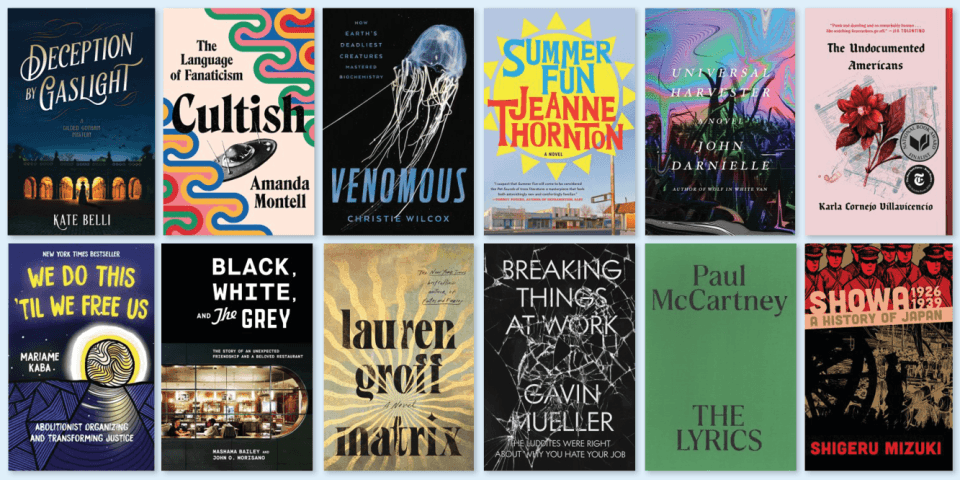
Browse NYPL Recommendations
New Arrivals
Be the first to see recent additions to our circulating catalog.
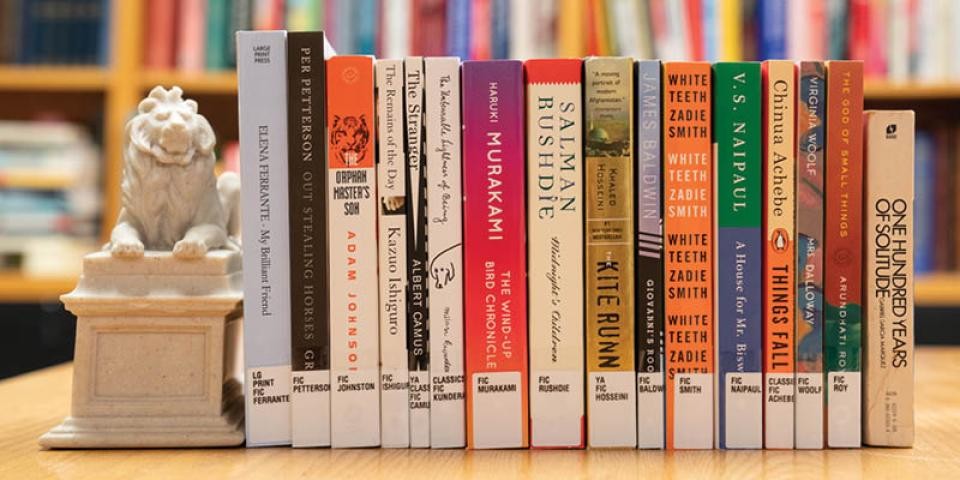
Staff Picks
Find new favorites with reads curated by our librarians every season.
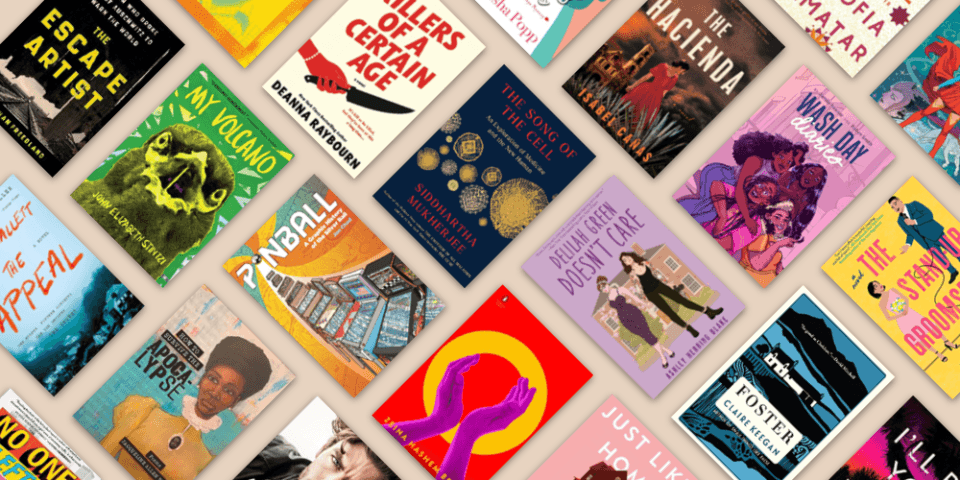
Read-Alikes & More
Check out NYPL’s blog for curated lists and more.
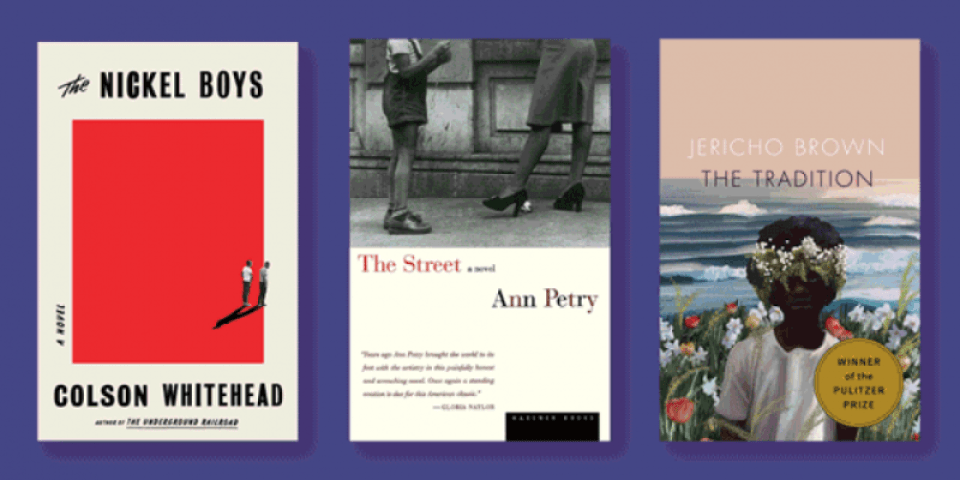
Best Books of the Year
Discover noteworthy new titles selected by our expert staff.
Specialized Book Lists
Find themed book recommendations for all ages.
Shelf Help
Try out the Library’s personalized book selection service.


Borrow Free E-Books & Audiobooks
Download SimplyE, NYPL's Free E-Reader
SimplyE makes it easy to browse, borrow, and dive into e-books and audiobooks on your mobile device.
Learn More About SimplyE
Everything you need to start borrowing, including how to apply for a digital library card, search for titles, manage your account, and more.

Discover E-Books, Games & Multimedia for Kids & Teens
TumbleBooks
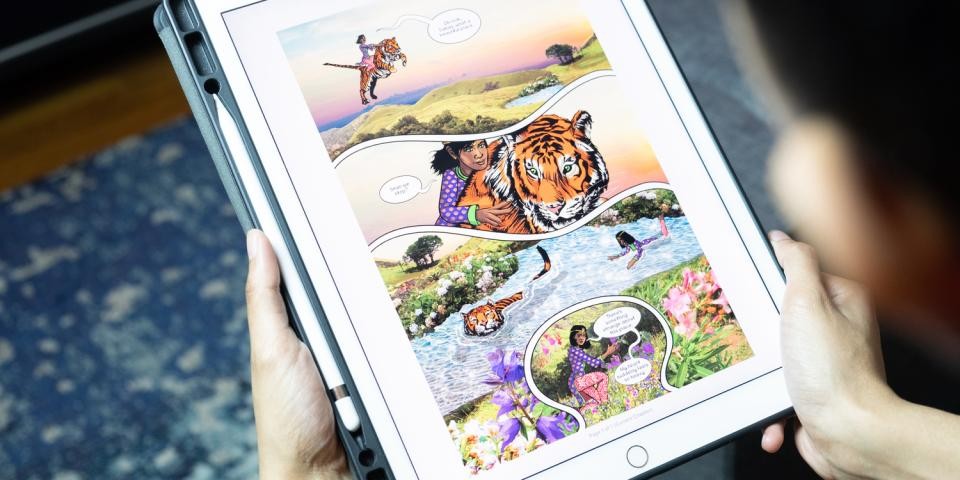
Enjoy e-books, animated talking picture books, puzzles, and more for school-age readers.
TumbleBook Cloud
Find e-books, videos, read-alongs, graphic novels, and audiobooks for teens.
Bookflix
Explore e-books and video storybooks for kids from Pre-K–3rd grade.

Find Accessible Books & More
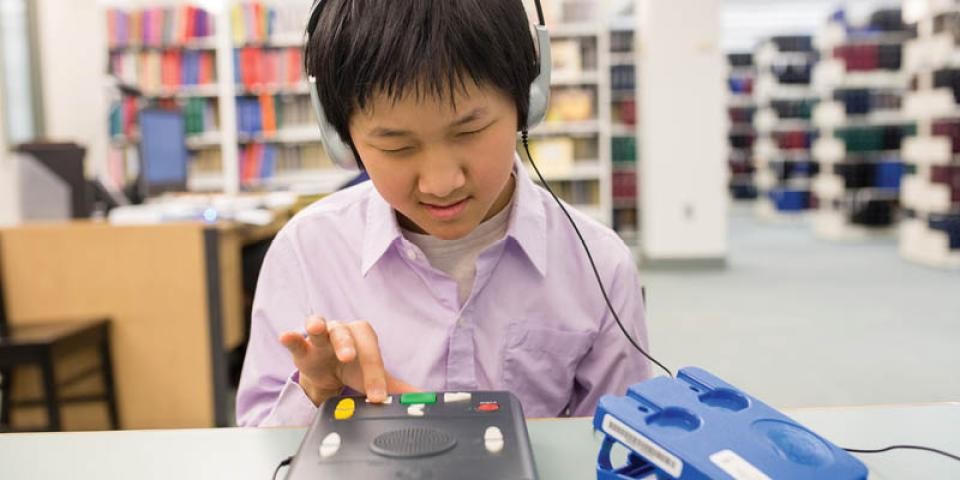
Andrew Heiskell Braille & Talking Book Library
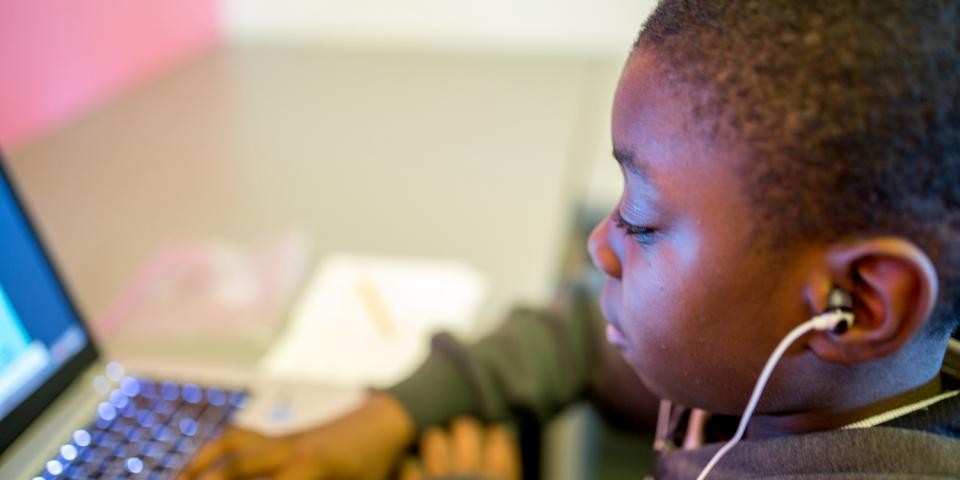
Discover accessible materials in a wide range of formats as well as programs, tech coaching, community groups, and a recording studio.
BARD (Braille & Audio Reading Download)
Find more than 145,000 digital books and over 90 magazines available for download, with new titles added regularly.
Bookshare
Access this collection of textbooks, bestsellers, children's books, career resources, and more for people with reading barriers.
Accessibility at NYPL
Learn more about the Library’s accessible resources for our community members with disabilities.



Read Magazines & Newspapers
Browse Popular Titles
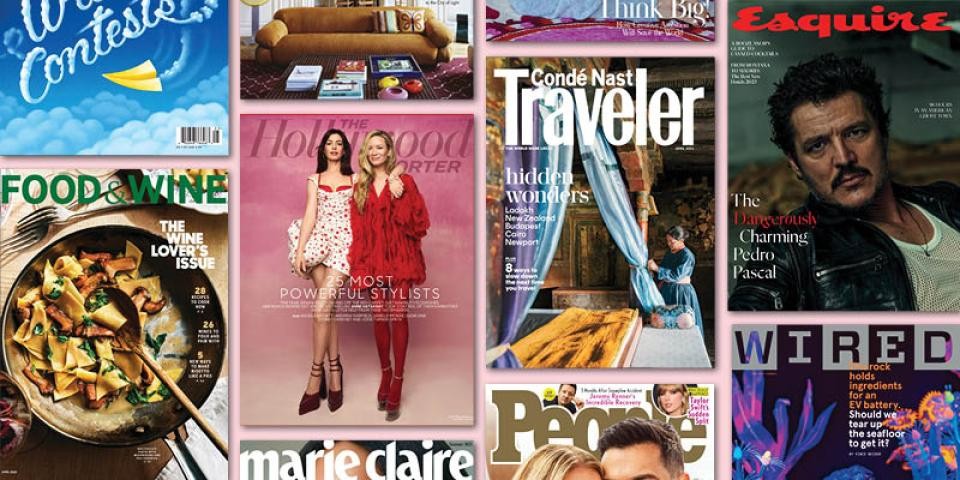
Explore contemporary and historic publications, many of which are available for download with your library card.
Access Music, DVDs & Streaming



Get Support
How to Use the NYPL Catalog
The new NYPL catalog will make it easier to search for the materials you want, request items for delivery to the branch of your choice, manage your NYPL account, and more. Learn more about using the new catalog with these step-by-step instructions and explore new features that will make it easier to find the materials you want. (Also available in Spanish.)

Download the Free NYPL App
Search the catalog, request books for pickup, use your phone for self-checkout, renew your materials, and more from home or on the go.
How to Request Items
Did you know? You can get books and more delivered to your local branch for pickup!
Help with E-Books & Audiobooks
Troubleshoot questions about including borrowing, returns, and devices.



Recommend a Title
Suggest an item for our circulating collection that is not currently listed in our catalog.
NYPL Submission Guidelines
Learn about how authors and publishers can submit materials to be considered for purchase by the Library.
More Questions? Ask NYPL
Ask NYPL is the Library's virtual reference and support desk. Contact us by email, phone, or live chat—we're here to help.


Sign Up for Our Newsletter
Stay connected with the latest happenings at the Library, including events, reading recommendations, and community resources. There's something for everyone!